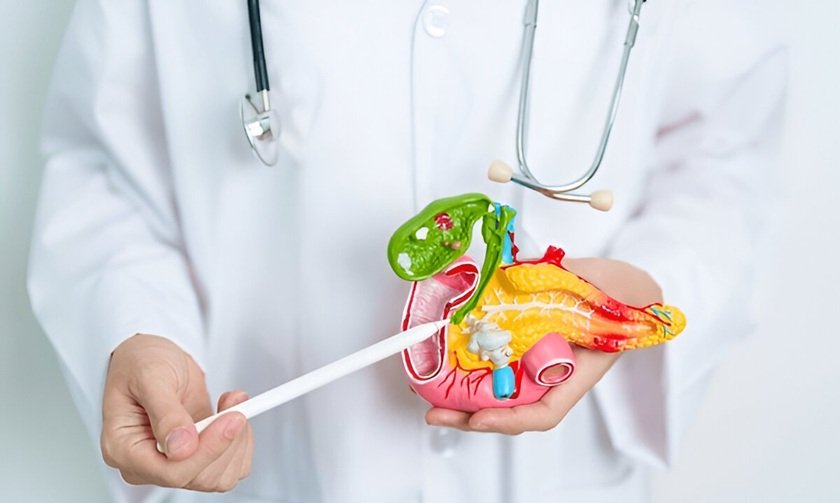

Have you ever puzzled what does the gallbladder do, and why doctors speak about it a lot in the course of digestive checkups? The gallbladder is probably small, but it performs a large role in retaining your digestive tools without problems. This is tiny, pear-shaped organ sits simply under your liver and acts as a storage tank for bile, a digestive fluid that helps your body break down fat.
In this targeted guide, we’ll locate the entirety you need to understand about the gallbladder — from the way it really works, what takes location at the same time as it stops functioning well, and the way you can keep it healthy.
Understanding the Gallbladder: Small, however Mighty
To start, permit’s answer the number one question — what does the gallbladder do?
The gallbladder’s crucial function is to store and release bile, a yellow-green fluid made through the way of the liver. Bile is important for digesting and absorbing fat from the food you consume. Whenever you enjoy a fatty meal — assume cheese, butter, or fried snacks — your gallbladder jumps into action.
The liver produces bile continuously; however, in the area of sending it right now to the small gut, it stores it inside the gallbladder. When you consume, your body releases a hormone called cholecystokinin (CCK), signalling the gallbladder to squeeze and release bile into the small intestine. There, bile allows emulsification of fat, making it simpler for digestive enzymes to break down.
Anatomy of the Gallbladder
The gallbladder is prepared 3–4 inches long and has 3 crucial factors:
- Fundus: The rounded fundus, which can sometimes be felt beneath the liver.
- Body: The critical section that holds bile.
- Neck: The narrow canal that connects to the cystic duct, essential to bile to the small gut.
Together, these additives form a clean pathway for bile storage and launch.
What Does the Gallbladder Do in Digestion?
The gallbladder is like a helper for your liver. The liver makes bile, but without the gallbladder, bile wouldn’t be available in the proper quantity at the right time. Here’s how the technique works, little by little:
- Bile Production: The liver produces bile constantly.
- Bile Storage: The bile is stored and targeted in the gallbladder.
- Bile Release: When meals, mainly fatty foods, enter the small intestine, the gallbladder contracts to launch bile.
- Fat Breakdown: The bile allows the breakdown of fats into smaller droplets, so enzymes can digest them easily.
- Nutrient Absorption: With the assistance of bile, the intestines take in fat-soluble vitamins like A, D, E, and K.
So, whilst human beings ask what the gallbladder does, the handiest answer is — it allows your body to control fat digestion effectively.
What Happens If Your Gallbladder Isn’t Working Properly?
Even though it’s small, gallbladder issues can cause serious soreness. If the bile duct is blocked or the gallbladder becomes inflamed, you may experience:
- Sharp pain inside the top right abdomen (specifically after eating fatty food)
- Nausea or vomiting
- Indigestion or bloating
- Fever or chills (in excessive cases)
These symptoms can also signal common gallbladder issues like:
- Gallstones (Cholelithiasis): Hard deposits that block bile ducts.
- Cholecystitis: Inflammation as a result of contamination or obstruction.
- Biliary Dyskinesia: When the gallbladder doesn’t empty bile nicely.
- Gallbladder Polyps: Small growths at the gallbladder wall.
If those situations persist, doctors can also advise a surgical operation — referred to as a cholecystectomy — to remove the gallbladder.
Can You Live Without a Gallbladder?
Yes, you can. Many humans stay, every day, healthful lives after gallbladder elimination. When the gallbladder is eliminated, bile flows at once from the liver into the small gut. However, considering there’s no garage tank, bile flows continuously in small portions, which might also cause moderate digestive adjustments, consisting of:
- Loose stools or diarrhoea (especially after fatty food)
- Slight problem digesting huge quantities of fats
Most people resort to this inner some weeks with the useful resource of creating small nutritional modifications.
What Does the Gallbladder Do After Surgery? (Trick Question!)
Technically, it doesn’t do a little component — because it’s long gone! But your liver keeps generating bile regularly. The body adapts by letting bile trickle straight away into the gut. This way your digestive system nonetheless works, although every now and then with slightly a lot less performance at digesting heavy, greasy food.
How to Keep Your Gallbladder Healthy
If you still have your gallbladder, maintaining it healthy should be a priority. Here are a few simple lifestyle suggestions to prevent gallbladder problems:
1. Eat a Balanced Diet
Include hundreds of fibre, vegetables, culmination, and lean proteins. Limit fatty, fried, and processed foods that pressure your gallbladder.
2. Maintain a Healthy Weight
Obesity will growth the threat of gallstones. However, avoid extreme diets or rapid weight loss — this will also lead to gallstone formation.
3. Stay Hydrated
Water allows the liver and gallbladder to keep a clean supply of bile. Aim for at least 8 glasses of water consistent with day.
4. Exercise Regularly
Moderate pastimes like walking, yoga, or swimming enable digestion and bile flow.
5. Avoid Skipping Meals
When you pass food, bile builds up and turns into a targeted, growing gallstone hazard.
Foods That Support Gallbladder Function
If you’re wondering what does the gallbladder do in terms of your food regimen, the solution is: the food you consume influences the way it works. These meals are acknowledged to assist gallbladder fitness:
- Leafy vegetables: Rich in magnesium and antioxidants.
- Fruits (like apples and berries): Aid digestion and liver detox.
- Healthy fats: Olive oil, avocados, and nuts help bile flow.
- Whole grains: Oats and brown rice improve digestion.
- Turmeric: Helps stimulate bile production naturally.
Avoid excessive-fat meats, butter, and processed snacks that could cause bile stagnation or gallstones.
Gallbladder Disorders: Diagnosis and Treatment
Doctors use numerous checks to pick out gallbladder troubles:
- Ultrasound: To discover gallstones or infection.
- CT Scan or MRI: For extra special imaging.
- HIDA Scan: To examine bile go with the bile flow and gallbladder function.
- Blood Tests: To test for infection or liver enzyme imbalances.
Treatment Options Include:
- Medication: To dissolve small gallstones or manage pain.
- Lifestyle Changes: Adjusting eating regimen and interest stages.
- Surgery (Cholecystectomy): For severe or recurring troubles.
Gallbladder and Overall Health Connection
The gallbladder is intimately related to the liver and digestive health. When bile drift is easy, the liver works correctly, supporting your body to detoxify and take in nutrients. Poor gallbladder characteristics can’t directly have an effect on cholesterol levels, metabolism, or skin health.
In short, if you’re specialising in gut health, don’t ignore the gallbladder — it’s a key part of the tool.
FAQs About What Does the Gallbladder Do
Q.1: What is the number one characteristic of the gallbladder?
The important feature of the gallbladder is to keep and release bile, which allows for to digestion of fats in the small gut.
Q.2: Can you live without a gallbladder?
Yes. After elimination, bile flows without delay from the liver to the small intestine. Most people live commonly with minor nutritional changes.
Q.3: What reasons for gallstones?
Gallstones form whilst bile consists of an excessive amount of LDL cholesterol or bilirubin, or when the gallbladder doesn’t empty well.
Q.4: What are the symptoms of gallbladder issues?
Symptoms encompass pinnacle proper stomach pain, nausea, vomiting, bloating, and every now and then fever.
Q.5: How can I decorate gallbladder fitness certainly?
Eat a balanced, low-fat weight loss program, stay hydrated, exercise frequently, and keep away from skipping meals.
Q.6: Does the gallbladder affect weight advantage?
Not without delay, but terrible bile go with the flow could impact fat digestion and metabolism, main to digestive soreness.
Conclusion
Now you recognise precisely what the gallbladder do — it’s your frame’s natural bile reservoir that helps break down fats, helps digestion, and keeps nutritional balance. Though small, it performs a chief role in maintaining your digestive device healthy.
Disclaimer:
The information provided in this text about “what does the gallbladder do” is for educational and informational functions best. It isn’t always intended to update professional clinical recommendation, diagnosis, or remedy. Always visit an authorized healthcare issuer or health practitioner regarding any medical state of affairs, symptoms and symptoms, or questions you may have about your gallbladder or common health. Never overlook about professional scientific recommendation or do away with searching out it because of some thing you have study proper right here.
Read More:-